If you’re looking for monoblock driveway ideas, you’re probably comparing patterns, colours, borders and different styles of paving for the front of your home.
In Glasgow, most people use the word “monoblock” to describe almost any driveway made from individual concrete paving blocks. In the trade, monoblock sits under the wider category of block paving. Standard monoblock is practical, familiar and cost-effective, while more decorative options — such as tumbled, aged or Tegula-style blocks — can give the driveway a softer, more premium finish.
This guide covers the main design choices: which patterns work best, which colours suit Glasgow homes, how borders improve the final look, and when it’s worth considering something more decorative than standard monoblock.
Start with the house, not the brochure
The best driveway design advice is simple: let the house lead. A driveway should suit the building it sits in front of. Blocks that look good in a brochure or supplier yard can feel completely different once they’re laid beside your actual brick, stone, render, garden walls, roofline and front door.
As a general guide:
- Blonde or red sandstone homes usually suit warm buff, golden, autumn and brindle tones.
- Modern render or white/grey new-builds often work well with silver-grey, charcoal, graphite or cooler mixed greys.
- Red-brick semis and newer estates can clash with strong red paving, so softer buffs, greys or brindle blends usually work better.
- Older villas and period homes often suit tumbled, aged or natural-stone-effect blocks rather than very sharp modern paving.
Before choosing a colour, hold sample blocks against your house in daylight. Showroom lighting, wet blocks and supplier photos can all make paving look different from how it appears on your driveway.
Standard monoblock or decorative block paving?
When people ask for a monoblock driveway, they usually picture the standard rectangular concrete blocks that have been used for years. Installed properly, they’re still a great option. Standard monoblock is practical, durable, widely available, familiar-looking and usually more cost-effective than premium ranges.
But it isn’t the only choice. If you want a softer, more traditional or more premium look, it’s worth considering decorative block paving such as tumbled, aged or Tegula-style blocks. These have softened edges, more colour variation and a less uniform appearance. They cost more than basic monoblock, but the finished driveway can feel far more in keeping with the house — especially on sandstone homes, older brick properties and larger frontages where you want the paving to blend in rather than dominate.
For a deeper comparison, read our guide to standard monoblock vs Tegula block paving.
Monoblock driveway patterns explained
The paving pattern is the way the blocks are laid. It affects both how the driveway looks and how well the surface copes with vehicle movement. For standard rectangular monoblock, herringbone is usually the strongest pattern because the blocks interlock well under braking, turning and regular use. Stretcher bond gives a simpler, brick-like look that’s ideal for borders, paths and lighter-traffic areas. With decorative ranges like Tegula-style blocks, the layout is usually chosen for its softer, traditional appearance rather than a strict herringbone.
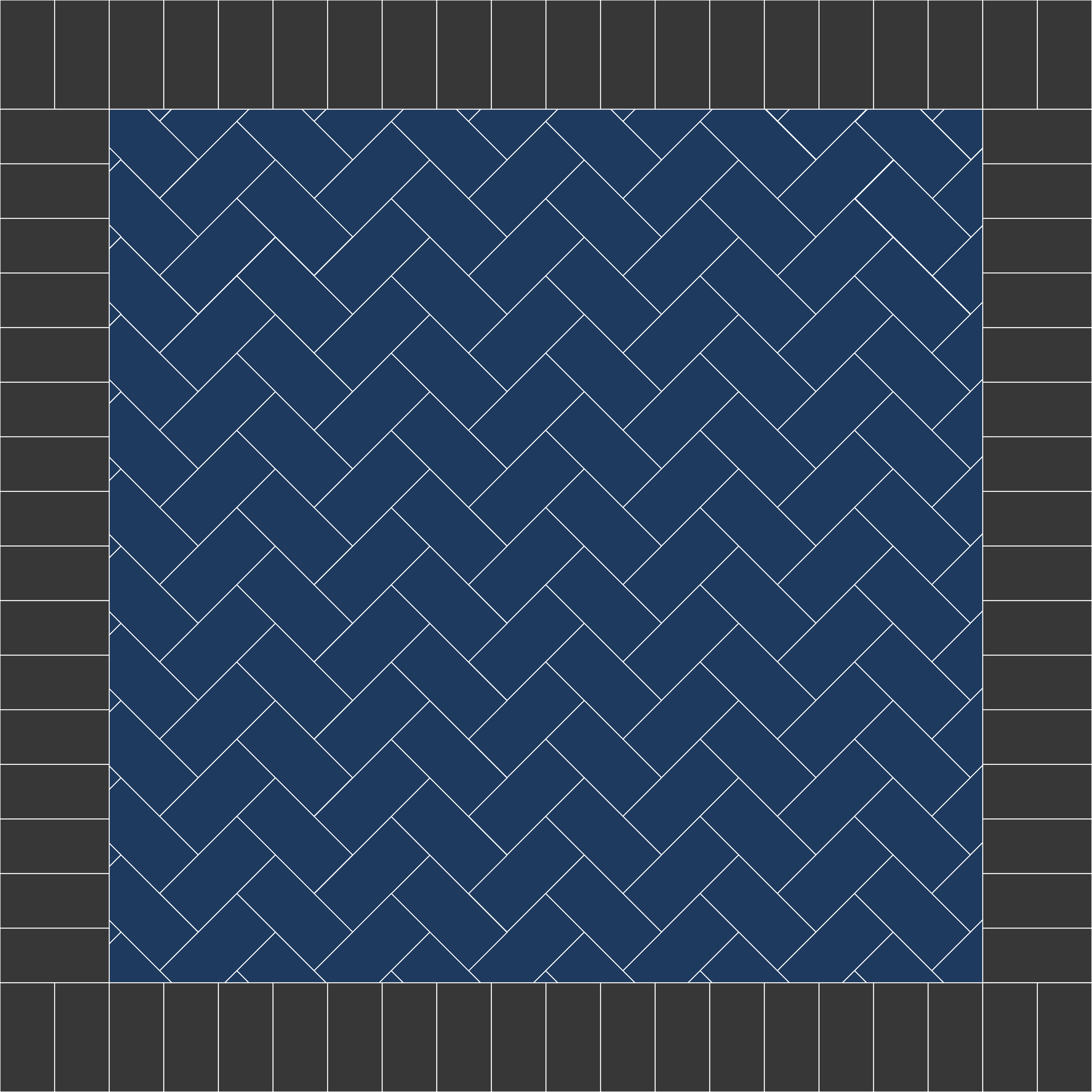
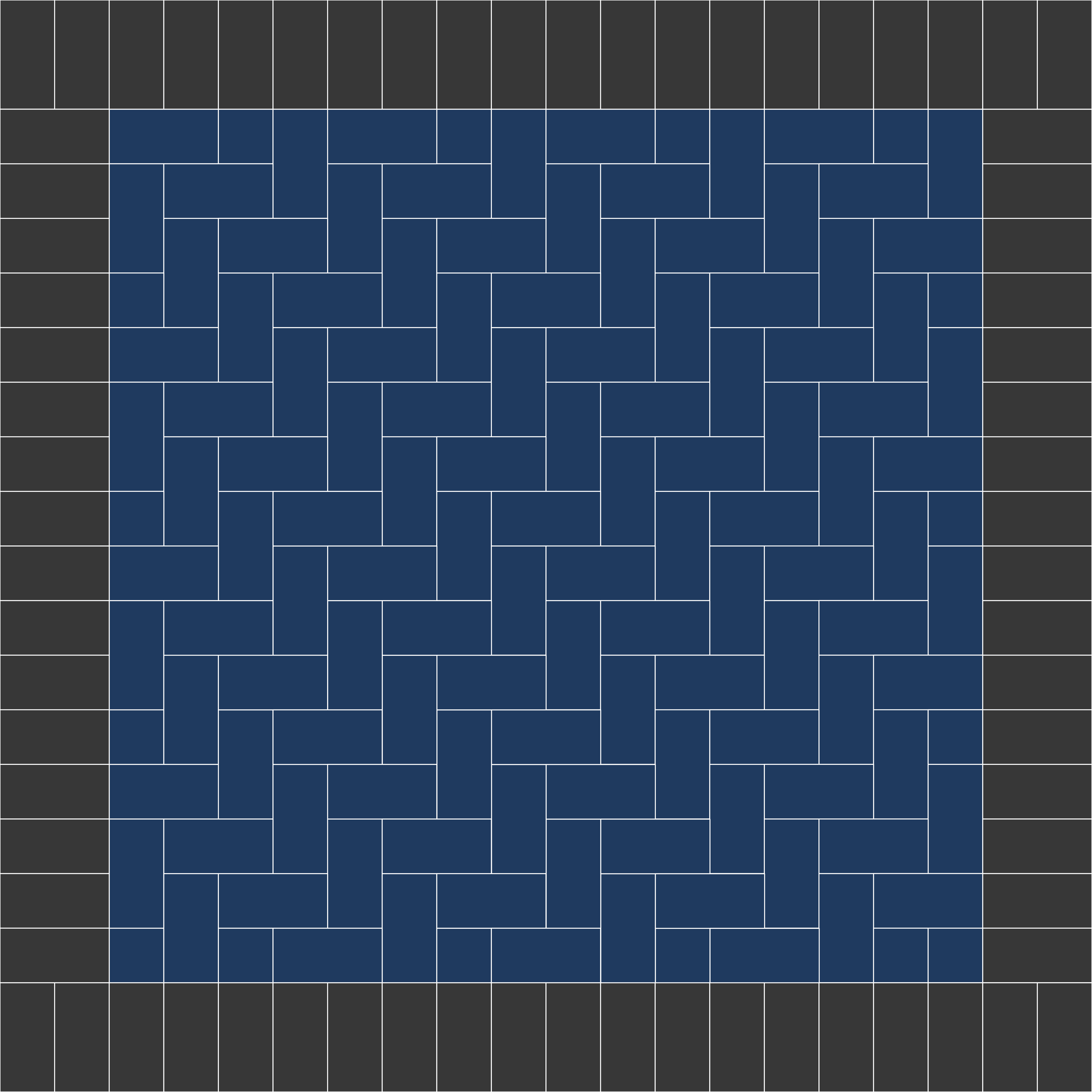
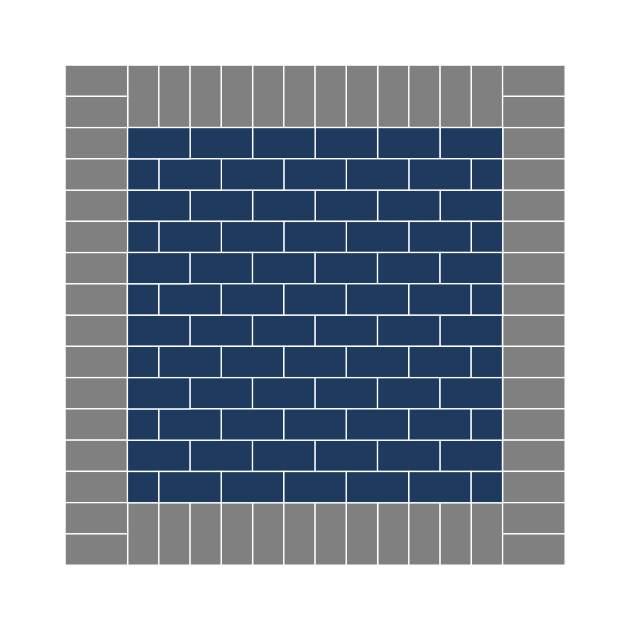
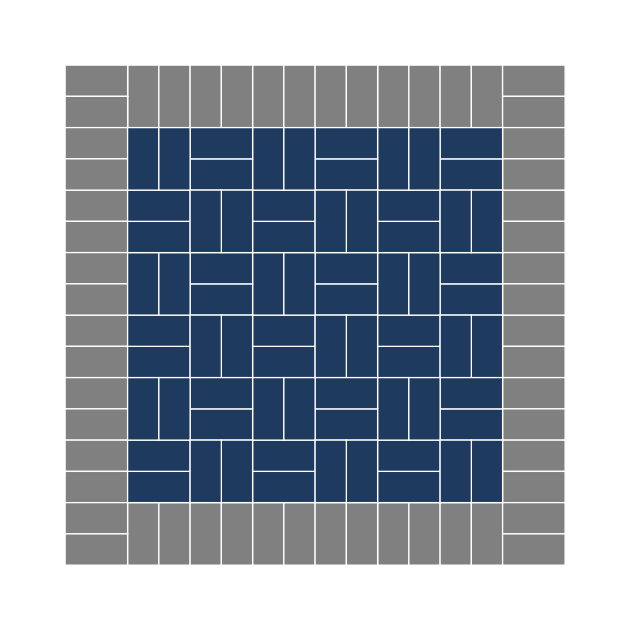
Some of the most common monoblock and block paving layouts are shown below.
| Pattern | Look | Best suited to | Notes |
|---|---|---|---|
| 45° herringbone | Classic and decorative | Standard monoblock driveways | Strong pattern, more edge cuts |
| 90° herringbone | Neat and practical | Standard monoblock driveways | Strong and efficient |
| Stretcher bond | Simple, brick-like rows | Borders, paths and lighter-use areas | Clean, understated look |
| Basketweave | Traditional and decorative | Paths, patios and feature panels | Better as a feature than a main field |
| Tumbled or aged blocks | Softer and more premium | Character and period homes | A block style rather than a laying pattern |
Herringbone monoblock
Herringbone is the go-to for standard rectangular monoblock driveways. The blocks are laid in a zig-zag, either at 45° or 90°, creating a strong interlock that helps the paving resist movement from vehicle weight, braking and turning. For driveways taking regular car traffic, it’s usually the safest pattern choice.
45° herringbone gives a smart, traditional look and can make a driveway feel more decorative; it involves more cutting at the edges, so it costs slightly more. 90° herringbone gives the same strong interlock with a neater, more efficient layout that suits most driveways.
Stretcher bond monoblock
Stretcher bond is laid in offset rows like brickwork, giving a clean, simple, orderly look. It works well for borders, paths, patios, entrance aprons, lighter-use sections and for framing a herringbone centre. On a standard monoblock driveway, herringbone is stronger in the main wheel-track area, but stretcher bond is a good way to create contrast between the field and the border where vehicle movement is lighter.
Basketweave monoblock
Basketweave uses pairs of blocks laid alternately horizontal and vertical, with a traditional, decorative feel that suits older properties and feature areas. On driveways it’s best used as a feature — paths, front-door areas, decorative panels or small aprons — rather than across the full parking area. If you like its character, we can use it as part of the design while keeping a stronger pattern where the turning loads are heaviest.
Quick CTA: Seen a pattern you like? Send us a photo and we’ll tell you what it costs and whether it suits your frontage — book a free site survey or get an instant figure from the driveway cost calculator.
Borders and edging ideas for monoblock driveways
A border is one of the easiest ways to make a monoblock driveway look designed rather than just paved. Without one, the paving can look flat or unfinished; with a good border, the shape is framed, the entrance is defined and the whole driveway feels more intentional.
Popular border ideas include:
- Single soldier course — a simple edge course around the driveway.
- Double soldier course — a stronger frame, especially on larger driveways.
- Charcoal border with buff or brindle paving — a classic high-contrast combination.
- Sett or cobble-style edging — a more traditional look for older homes.
- Contrasting entrance apron — a feature area where the driveway meets the pavement or road.
- Drainage as a design line — a linear channel drain worked into the design rather than treated as an afterthought.
A border also has a practical job: along with proper concrete-haunched edge restraints, it helps keep the main paving field locked in place and reduces the risk of the edges spreading over time.
Choosing monoblock colours
Colour is often the hardest decision. The right tone lifts the front of the house; the wrong one can feel too harsh, too busy or hard to keep clean. For Glasgow driveways, it’s worth picturing how the paving will look after a few winters, not just on the day it’s installed.
Brindle and mixed-tone monoblock
Brindle and mixed-tone blocks are usually the most forgiving. Because they combine two or three shades, they hide tyre marks, dust, leaf staining and general weathering better than a single flat colour. Brindle, autumn and mixed buff tones age naturally and suit a wide range of homes — a good choice if you want a smart driveway that isn’t too high-maintenance.
Grey and charcoal monoblock
Grey and charcoal paving looks sharp and modern, especially beside white render, anthracite windows and simple front gardens. A charcoal border is one of the most popular choices because it frames the driveway clearly without making the whole area feel too dark.
A full charcoal driveway looks bold, but very dark paving shows pale marks, dried salts and natural efflorescence more clearly. (Efflorescence is a temporary white bloom that appears on concrete products and usually fades with weathering.) For many homes, a charcoal border with a lighter or mixed-tone centre gives the best balance.
Light grey, silver and cream monoblock
Very pale blocks can look clean and modern on the right property. The downside is maintenance: pale paving shows oil drips, algae, tyre marks and general dirt more quickly. It can still be a great choice, but it suits homeowners who are happy to clean and maintain the surface more often.
Red monoblock
Red monoblock was very common on older driveways, but it needs to be chosen carefully. It can work with some properties, but it can also clash with red brick or feel dated if the rest of the house has moved towards greys and anthracite windows. If you like warmer colours, a brindle or autumn blend usually gives a softer result than a strong flat red.
When to consider Tegula or tumbled block paving
Standard monoblock is practical and cost-effective, but some homes benefit from a more decorative choice. Tegula-style and tumbled blocks have aged edges and a softer, traditional appearance that makes a new driveway feel settled, as if it has always belonged to the house.
They’re worth considering if:
- you have a sandstone, period or character property
- you want a softer, traditional finish
- you dislike the uniform look of standard monoblock
- the driveway is a large part of the frontage
- you want the paving to add kerb appeal rather than just provide parking
They cost more than standard monoblock, but the visual difference can be significant. There’s a full breakdown in our guide to standard monoblock vs Tegula block paving.
Three monoblock driveway looks that work well in Glasgow
Three reliable starting points we often discuss with customers:
Practical standard monoblock driveway
A brindle or mixed-tone standard monoblock laid in herringbone, with a charcoal soldier-course border. A solid, familiar choice that looks tidy, hides dirt reasonably well and doesn’t overcomplicate the design.
Modern grey driveway
A silver-grey or mid-grey paving field with a charcoal border, clean lines and a linear drainage channel worked into the layout. This suits newer homes, rendered properties, anthracite windows and simple front gardens.
Premium traditional driveway
A tumbled or Tegula-style block in warm buff, autumn or mixed tones, with a contrasting border and softer edging detail. This works particularly well with sandstone, older brickwork and villas where standard monoblock might feel too plain.
Looks and build quality go hand in hand
The appearance of a driveway matters, but its lifespan comes mostly from the build underneath. A good monoblock driveway needs:
- suitable excavation depth
- a properly compacted sub-base
- well-planned drainage
- firm edge restraints
- the right bedding layer
- correct compaction and jointing
- a pattern suited to how the driveway will be used
A beautiful design only stays looking good if the base, levels and drainage are right. For the construction side, read why driveways sink and how to spot a bad sub-base. If you’re still comparing surface types, our block paving vs tarmac vs gravel comparison is also worth reading.
Get ideas for your own monoblock driveway
The easiest way to choose a driveway design is to see real examples in real Glasgow light. Supplier photos can help, but finished driveways on homes similar to yours are much more useful.
Browse our project gallery for patterns, colours and borders we have installed, read more about our block paving driveway service, or use the driveway cost calculator for a rough idea of price.
When you’re ready, book a free site survey and we’ll bring samples so you can see how different colours and finishes look against your own house.